
If your allergies seem worse than ever, you’re not imagining things. Many people report that seasonal allergies feel more intense than they remember from previous years. Whether it’s sneezing, watery eyes, congestion, or simply feeling miserable during certain times of the year, allergies can have a major impact on daily life.
While pollen often gets most of the blame, there are actually many factors that may influence how people experience seasonal wellness challenges. Let’s explore seven common triggers people often overlook.
What Are Seasonal Allergies?
Seasonal allergies occur when the body’s immune system reacts to substances in the environment that are typically harmless to most people. Common seasonal triggers may include:
- Tree pollen
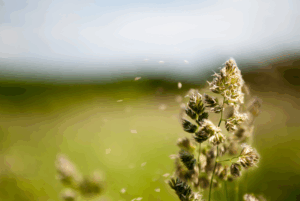
- Grass pollen
- Weed pollen
- Mold spores
- Environmental irritants
The severity of symptoms can vary significantly from person to person and from season to season.
House of Serenity Wellness Principle
Seasonal wellness is rarely influenced by a single factor. Environmental exposure, stress levels, sleep quality, hydration, nutrition, and daily habits often work together to influence how people feel throughout allergy season.
Trigger 1: High Pollen Counts
This is the most obvious trigger, but it’s still worth mentioning. During certain times of the year, pollen levels can become extremely high. Common sources include trees in spring, grasses in late spring and summer, and weeds in late summer and fall. Many people notice that symptoms worsen on dry, windy days when pollen travels more easily through the air.
Practical Tip
Check local pollen forecasts and consider limiting outdoor activities during peak pollen periods.
Trigger 2: Poor Indoor Air Quality
Many people focus entirely on outdoor triggers while overlooking their indoor environment. Common indoor irritants may include:
- Dust
- Pet dander
- Mold
- Airborne particles
- Dirty air filters
Because people spend a significant portion of their time indoors, these factors can have a meaningful impact on comfort.
Herbalist Insight
Many wellness practitioners encourage evaluating the home environment alongside outdoor exposures when discussing seasonal wellness.
Trigger 3: Stress
Stress influences far more than mood. Many people notice that stressful periods seem to make seasonal wellness challenges feel more difficult. This is one reason stress management often becomes part of broader wellness discussions.
- Walking
- Deep breathing
- Prayer
- Meditation
- Journaling
- Spending time outdoors
Trigger 4: Sleep Quality
Sleep supports many functions throughout the body. When sleep quality suffers, people often report feeling less resilient and less capable of handling everyday challenges. Prioritizing sleep may be one of the most overlooked wellness habits during allergy season.
Trigger 5: Hydration
Hydration is one of the simplest habits people can evaluate. Water supports numerous processes throughout the body and is frequently emphasized in wellness routines. Many people discover they are consuming less water than they realize.
Herbalist Insight
Many herbalists consider hydration one of the foundational wellness habits to evaluate before pursuing more complicated approaches.
Trigger 6: Nutrition
Many wellness traditions emphasize nourishment as part of seasonal wellness support. Rather than focusing only on what to avoid, many herbalists encourage focusing on what to include. Examples may include:
- Fruits
- Vegetables
- Whole foods
- Adequate protein
- Consistent hydration
Supporting overall wellness often starts with supporting the body as a whole.
Trigger 7: Looking at Allergies Too Narrowly
This may be the most overlooked trigger of all. Many people focus exclusively on pollen. However, seasonal wellness is often influenced by multiple factors: environmental exposure, indoor air quality, stress, sleep, hydration, nutrition, and daily habits. Looking at the bigger picture often provides more useful insights than focusing on a single factor.
Five Daily Habits That May Support Seasonal Wellness
- Stay hydrated.
- Prioritize sleep.
- Monitor pollen levels.
- Improve indoor air quality.
- Support stress management.
Small habits practiced consistently often create meaningful long-term benefits.
Recommended Resources
Many people looking for seasonal wellness support turn to traditional herbs that have long been associated with respiratory and seasonal wellness routines. House of Serenity’s Allergy Tea features nettle leaf and other supportive herbs as part of a broader seasonal wellness approach.
For those who prefer liquid herbal extracts, House of Serenity’s Allergy Tincture offers a convenient option that can easily be incorporated into a daily wellness routine during allergy season.
Frequently Asked Questions
Why do my allergies seem worse than they used to?
Many factors may contribute, including environmental conditions, pollen levels, stress, sleep quality, hydration, and overall wellness habits.
Can stress make allergies feel worse?
Many people report that seasonal wellness challenges feel more difficult during periods of high stress.
Does hydration matter during allergy season?
Hydration is frequently emphasized in wellness routines because it supports many normal functions throughout the body.
Why do symptoms vary from year to year?
Environmental conditions, pollen levels, weather patterns, and personal lifestyle factors can all vary significantly from one season to the next.
What should I focus on first?
Many wellness practitioners recommend starting with foundational habits such as hydration, sleep, nutrition, stress management, and reducing environmental exposures where possible.
Final Thoughts
If your allergies seem worse than ever, it’s worth remembering that pollen may only be part of the story. Seasonal wellness is often influenced by multiple factors working together, including environmental exposures, daily habits, hydration, sleep, stress, and overall lifestyle choices.
By focusing on foundational wellness habits and taking a broader view of seasonal health, many people discover new ways to support their comfort throughout the year.
Looking for herbal resources to support your seasonal wellness routine?
Explore House of Serenity’s Allergy Tea and Allergy Tincture as part of a broader approach to seasonal wellness and daily health habits.