
Have you ever noticed that your allergies seem manageable one month and unbearable the next? You’re not alone. Some years seem worse than others, and sometimes symptoms appear during one season, improve for a while, and then return again months later.
Many people assume seasonal discomfort should remain consistent year after year. In reality, environmental conditions can change significantly, influencing what people experience from season to season.
Many people experience seasonal fluctuations in allergy symptoms and wonder why certain times of the year feel significantly worse than others. The answer often involves a combination of environmental exposure, weather conditions, seasonal plant cycles, and lifestyle factors. Let’s take a closer look.
Why Allergy Seasons Change Throughout the Year
Many people think of allergy season as one specific time of year. In reality, different plants release pollen during different seasons. This means allergy triggers can shift throughout the year depending on:
- Where you live
- Local climate conditions
- Weather patterns
- Plant growth cycles
- Outdoor activities
Seasonal wellness patterns often shift alongside changing environmental conditions, including pollen levels, weather changes, and time spent outdoors. This is one reason symptoms can feel very different from season to season.
House of Serenity Wellness Principle
Seasonal wellness is influenced by both the environment around us and the habits we practice every day. Understanding seasonal patterns, along with supportive daily habits, can help people take a more proactive approach to seasonal comfort.
Spring: Tree Pollen Season
For many people, spring marks the beginning of allergy season. As temperatures rise, trees begin releasing pollen into the air. Common tree pollen sources may include:
- Oak
- Maple
- Birch
- Cedar
- Pine
During windy days, pollen can travel significant distances and increase exposure.
Practical Tip
Monitor local pollen forecasts and consider reducing outdoor activities during peak pollen periods.
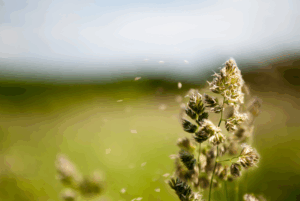
Summer: Grass Pollen Season
As spring transitions into summer, grass pollen often becomes a major trigger. Many people notice symptoms increase during activities such as:
- Lawn mowing
- Gardening
- Outdoor sports
- Hiking
Because grass pollen can remain airborne for extended periods, exposure may occur even when people aren’t directly interacting with grass.
Fall: Weed Pollen Season
Late summer and fall often bring a different set of challenges. Many seasonal wellness discussions during this time focus on weeds such as:
- Ragweed
- Mugwort
- Pigweed
These plants can release large amounts of pollen, sometimes affecting people many miles away.
Herbalist Insight
Many people assume allergy season ends after spring, but seasonal wellness patterns often continue to shift throughout the year as environmental conditions change.
Weather Can Make a Difference
Weather influences more than comfort. It can also influence pollen movement and environmental exposure. On windy days, airborne pollen may increase. Dry conditions can allow pollen to remain suspended in the air longer. Rainy days may temporarily reduce airborne pollen before levels rise again afterward. This is one reason seasonal wellness patterns may feel different from one week, month, or year to the next.
Indoor Factors Matter Too
Not all seasonal wellness challenges come from outdoor exposure. Indoor environmental conditions may also influence how people feel throughout the year. Examples include:
- Dust accumulation
- Pet dander
- Mold
- Dirty air filters
- Poor ventilation
During certain seasons, people spend more time indoors, making these factors increasingly important.
Lifestyle Factors Can Influence Seasonal Wellness
Environmental exposure is only part of the picture. Many wellness practitioners also encourage people to evaluate:
- Sleep quality
- Hydration
- Nutrition
- Stress management
- Daily routines
These foundational habits may influence how resilient people feel throughout changing seasons.
Recommended Resources
Seasonal wellness often requires a consistent approach. House of Serenity’s Allergy Tea features nettle leaf, echinacea, and orange peel as part of a simple herbal blend designed to complement a seasonal wellness routine. For those who prefer liquid extracts, the Allergy Tincture offers another convenient option for incorporating herbal support into a daily wellness routine.
Additional Consideration: Supporting Hydration and Elimination
Many herbalists take a whole-body approach to seasonal wellness. Along with hydration, nutrition, sleep, and environmental awareness, some people choose to support healthy elimination pathways as part of their overall wellness routine. House of Serenity’s Lymph & Kidney Support Tea features red clover, cleavers, calendula, nettle, cornsilk, and ginger as part of a traditional herbal blend designed to complement hydration and overall wellness routines.
Frequently Asked Questions
Why are my allergies worse in spring?
Many people experience increased exposure to tree pollen during spring, which may contribute to seasonal discomfort.
Why do allergies seem worse on windy days?
Wind can carry pollen over long distances and increase environmental exposure.
Can weather affect allergy symptoms?
Many people notice changes in seasonal wellness depending on weather patterns, humidity levels, rainfall, and wind conditions.
Why do my allergies change throughout the year?
Different plants release pollen at different times, creating changing environmental exposures across seasons.
What herbs are included in the Allergy Tea?
The tea features nettle leaf, echinacea, and orange peel.
Final Thoughts
Seasonal changes are rarely identical from year to year. Weather patterns, environmental conditions, outdoor exposure, and local plant activity can all influence what people experience during different seasons. Understanding those patterns does not eliminate seasonal discomfort, but it can help explain why symptoms sometimes appear differently from one season to the next.
Sometimes the most useful question is not why this is happening again, but rather what has changed in your environment since last season.
Looking for herbal resources to complement your seasonal wellness routine?
Explore House of Serenity’s Allergy Tea and Allergy Tincture as part of a broader approach to seasonal wellness.